Countdown to America's 250th Anniversary:

close

An official website of the United States government

Here’s how you know

Official websites use .gov
A .gov website belongs to an official government organization in the United States.

Secure .gov websites use HTTPS
A lock ( Lock A locked padlock ) or https:// means you’ve safely connected to the .gov website. Share sensitive information only on official, secure websites.

GSA 250 year anniversary logo and seal U.S. General Services Administration
    • Explore buy through us
    • Category management
    • Government property for sale or lease
      Toggle submenu
      • Personal property (tangible goods)
      • Real property (real estate and buildings) for public use
      • Vehicle sales
    • Products and services
      Toggle submenu
      • Human capital
      • Industrial products and services
      • Office management
      • Professional services
      • Security and protection
      • Transportation and logistics services
    • Purchasing programs
      Toggle submenu
      • Assisted acquisition
      • Centralized acquisitions
      • Commercial platforms
      • Emergency acquisition basic ordering agreements
      • Federal strategic sourcing initiative
      • Fleet management
      • Governmentwide acquisition contracts
      • HCaTS and HCaTS SB
      • Multiple award schedule, or MAS
      • OASIS and OASIS SB
      • OneGov
      • Requisition programs
    • Shared services
      Toggle submenu
      • Payroll services
      • Support services for CABs

    Featured Topics

    • Auctions Federal assets available via auction to the general public.
    • Explore sell to government
    • Step 1: Learn about government contracting
      Toggle submenu
      • Ways you can sell to government
      • How to access contract opportunities
      • Conduct market research
    • Step 2: Compete for a contract
      Toggle submenu
      • Register your business
      • Certify as a small business
      • Become a schedule holder
      • Market your business
      • Research active solicitations
      • Respond to a solicitation
      • What to expect during the award process
    • Step 3: Manage your contract
      Toggle submenu
      • Comply with contractual requirements
      • Handle contract modifications
      • Monitor past performance evaluations

    Featured Topics

    • Contract opportunities on SAM.gov Search current federal contract opportunities and procurement notices.
    • Forecast of contracting opportunities Anticipated contracts offered by GSA.
    • Vendor support center Research the federal market, report sales, and upload contract information.
    • Explore real estate
    • Assets identified for accelerated disposition
    • Child care services
      Toggle submenu
      • Find a child care center
    • Explore historic buildings
      Toggle submenu
      • Explore by architectural style
      • Explore by timeline
      • Find a historic building
    • Leasing
      Toggle submenu
      • Leasing guidance
      • Leasing tools
    • Occupancy Agreement Space Inventory System, or OASIS
    • Reimburseable services program
      Toggle submenu
      • eRETA RWA customer portal
      • eRETA user account request process
    • Water quality management
    • Workplace optimization
      Toggle submenu
      • Answers to FAQs about Space Match
      • Commercial coworking
      • Offerings
      • Space Match
    • USE IT Act and occupancy data
      Toggle submenu
      • Playbook: Federal daily check-in survey
      • Playbook: Laptop occupancy data
    • Utility services

    Featured Topics - Real Estate

    • Real property disposal Dispose or acquire excess federal real property including buildings or land.
    • Explore policy and regulations
    • Acquisition policy
    • Aviation management policy
    • Federal Advisory Committee Act management
    • Information technology policy
    • Real property management policy
    • Travel management policy
    • Regulations
      Toggle submenu
      • Federal acquisition regulations
      • Federal management regulations
      • Federal travel regulations

    Featured Topics

    • Forms Search for a government form.
    • Per diem FAQs Frequently asked questions about per diem rates and related topics.
    • USE IT and occupancy data annual reports Search the annual reports CFO Act agencies submitted for USE IT occupancy data requirements.
    • Explore small business
    • Find opportunities
    • Get help
    • How to do business with us
    • Key resources
    • Programs and eligibility
    • Register your business

    Featured Topics

    • Forecast tool Information on planned federal contracting opportunities.
    • Socio economic categories Check your eligibility for small-business set-asides.
    • Training resources Suggested training for doing business with us.
    • Explore travel
    • Plan a trip
      Toggle submenu
      • Per diem rates
      • Transportation (airfare rates, POV rates, etc.)
      • Lodging
      • Travel charge card
    • Travel and lodging services
      Toggle submenu
      • E-gov travel service (ETS)
      • Rideshare
      • Travel category schedule
    • Federal travel regulation

    Featured Topics

    • Per diem rates look-up Allowances for lodging, meal and incidental costs while on official government travel.
    • Mileage reimbursement rates Reimbursement rates for the use of your own vehicle while on official government travel.
    • Explore technology
    • Purchasing programs
      Toggle submenu
      • Cloud computing services
      • Cybersecurity products and services
      • Governmentwide acquisition contracts
      • MAS information technology
      • USAccess
    • Government initiatives
      Toggle submenu
      • Artificial Intelligence
      • Cybersecurity
      • Emerging citizen technology
      • FedRAMP
      • Federal identity, credentials, and access management
      • Robotic process automation community
      • Technology modernization fund
    • Training

    Featured Topics

    • Data.gov Access U.S. government data.
    • Multiple award schedule IT category Information technology products, services and solutions.
    • Explore about us
    • Background and history
      Toggle submenu
      • Overview
      • Mission and strategic goals
      • Role in presidential transitions
    • Careers
      Toggle submenu
      • Get an internship
      • Launch your career
      • Elevate your professional career
      • Discover special hiring paths
      • Resources and related links
    • Events and training
      Toggle submenu
      • Events, training, and request a speaker
      • Our training programs
    • Newsroom
      Toggle submenu
      • Agency blog
      • Congressional testimony
      • News releases
      • Speeches
      • Videos
    • Organization
      Toggle submenu
      • Leadership directory
      • Federal Acquisition Service
      • Public Buildings Service
      • Staff offices
    • Contact us

    Featured Topics

    • Blog Read the latest GSA news, updates and analysis.
    • Careers Learn what we have to offer.
  • Per diem lookup
Buy through us
Explore buy through us
Category management
Government property for sale or lease
Personal property (tangible goods)
Real property (real estate and buildings) for public use
Vehicle sales
Products and services
Human capital
Industrial products and services
Office management
Professional services
Security and protection
Transportation and logistics services
Purchasing programs
Assisted acquisition
Centralized acquisitions
Commercial platforms
Emergency acquisition basic ordering agreements
Federal strategic sourcing initiative
Fleet management
Governmentwide acquisition contracts
HCaTS and HCaTS SB
Multiple award schedule, or MAS
OASIS and OASIS SB
OneGov
Requisition programs
Shared services
Payroll services
Support services for CABs
Sell to government
Explore sell to government
Step 1: Learn about government contracting
Ways you can sell to government
How to access contract opportunities
Conduct market research
Step 2: Compete for a contract
Register your business
Certify as a small business
Become a schedule holder
Market your business
Research active solicitations
Respond to a solicitation
What to expect during the award process
Step 3: Manage your contract
Comply with contractual requirements
Handle contract modifications
Monitor past performance evaluations
Real estate
Explore real estate
Assets identified for accelerated disposition
Child care services
Find a child care center
Explore historic buildings
Explore by architectural style
Explore by timeline
Find a historic building
Leasing
Leasing guidance
Leasing tools
Occupancy Agreement Space Inventory System, or OASIS
Reimburseable services program
eRETA RWA customer portal
eRETA user account request process
Water quality management
Workplace optimization
Answers to FAQs about Space Match
Commercial coworking
Offerings
Space Match
USE IT Act and occupancy data
Playbook: Federal daily check-in survey
Playbook: Laptop occupancy data
Utility services
Policy and regulations
Explore policy and regulations
Acquisition policy
Aviation management policy
Federal Advisory Committee Act management
Information technology policy
Real property management policy
Travel management policy
Regulations
Federal acquisition regulations
Federal management regulations
Federal travel regulations
Small business
Explore small business
Find opportunities
Get help
How to do business with us
Key resources
Programs and eligibility
Register your business
Travel
Explore travel
Plan a trip
Per diem rates
Transportation (airfare rates, POV rates, etc.)
Lodging
Travel charge card
Travel and lodging services
E-gov travel service (ETS)
Rideshare
Travel category schedule
Federal travel regulation
Technology
Explore technology
Purchasing programs
Cloud computing services
Cybersecurity products and services
Governmentwide acquisition contracts
MAS information technology
USAccess
Government initiatives
Artificial Intelligence
Cybersecurity
Emerging citizen technology
FedRAMP
Federal identity, credentials, and access management
Robotic process automation community
Technology modernization fund
Training
About us
Explore about us
Background and history
Overview
Mission and strategic goals
Role in presidential transitions
Careers
Get an internship
Launch your career
Elevate your professional career
Discover special hiring paths
Resources and related links
Events and training
Events, training, and request a speaker
Our training programs
Newsroom
Agency blog
Congressional testimony
News releases
Speeches
Videos
Organization
Leadership directory
Federal Acquisition Service
Public Buildings Service
Staff offices
Contact us
  1. Home
  2. Real estate
  3. Find a historic federal building
  4. Historic border inspection stations

Historic border inspection stations

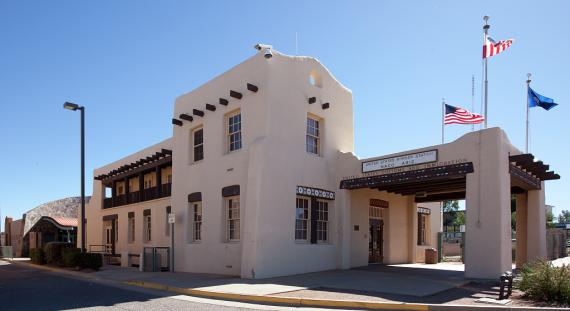
For those entering into the United States by land, the border inspection station serves as the first symbolic expression of the country and its values. The U.S. Treasury Department constructed the first purpose-built vehicle border inspection stations between 1930 and 1943. Today, we are the steward of these historic buildings.

History

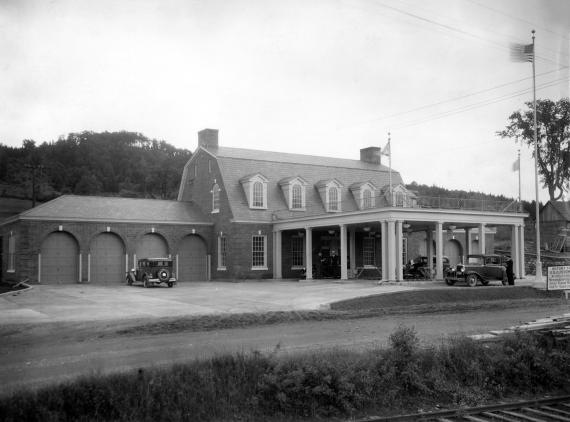
Beecher Falls, Vermont

Throughout the 1920s, motor vehicles became more economical and reliable, and as a result, their usage increased steadily. For the first time in history, visitors entered the U.S. primarily over land rather than via water ports of entry, such as Ellis Island or San Francisco.

After the U.S. imposed taxes and literacy tests upon immigrants from Canada and Mexico in 1917, more people began attempting to evade customs and immigration officials. Furthermore, in 1921 Congress passed the first law establishing annual immigration quotas by country, which caused Europeans who had failed to gain lawful entry to attempt to cross the Canadian border. 

Finally, the Volstead Act, which enforced the 18th Amendment, prohibited the sale and consumption of alcoholic beverages between 1919 and 1933. Prohibition led to increased smuggling of alcohol across international boundaries.

The automobile and improved roads greatly facilitated a cross-border mobility for bootleggers, smugglers, immigrants, tourists and the rest of the population. At Highgate, Vermont, for example, customs inspectors examined only about 2,200 automobiles entering the U.S. from Canada during 1919. Within five years, cross-border auto traffic through Highgate had increased to more than 23,000 vehicles. By 1931, this number had risen to 110,000 cars and trucks. In 1930, almost four times more people entered the U.S. by highway than by boat.

Until the 1920s, customs and immigration officials were housed in government buildings originally built for a different function, or in rented space. These existing structures, including old railroad cars and even tents, were poorly suited to customs and immigration tasks. In some cases, agents had to perform their inspections in the open air, regardless of weather, which could damage goods. Many structures were located far from the borders, and agents struggled to direct unwilling drivers to these inconvenient facilities. The makeshift conditions led to loss of customs revenue, flouting of prohibition and immigration law, and poor employee morale.

New facilities constructed

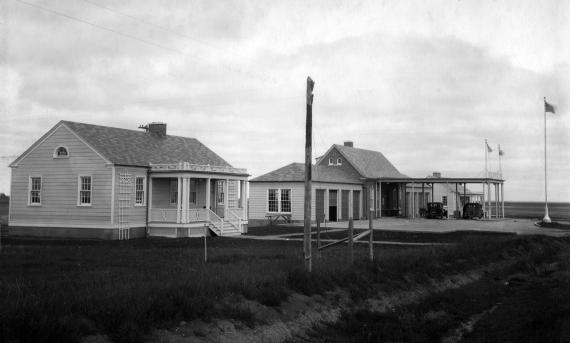
Land Port of Entry, Ambrose, ND

The Public Buildings Act of 1926 approved funding for border stations. A 1928 report by H.A. Benner of the Bureau of Customs and J.L. Hughes of the Bureau of Immigration was the basis for recommendations on the locations and requirements for these stations. Benner and Hughes recommended that the new buildings be owned by the federal government, demonstrate federal authority and presence, and be programmed with the following characteristics to remedy the situation:

  • Proper location: Stations should be located at the border before traffic can disperse, and on the right side of inbound traffic
  • Proper facilities: Properties should include protection of officers, motorists, and goods from the elements, typically by porte-cocheres, garages, and inspection pits
  • Dignified and attractive surroundings: Properties should be well sited and contain elements such as flagpoles and landscaped areas
  • Fair and adequate service to the public: Stations should have capacity for traffic and people
  • Decent living quarters for officers: Properties should have separate living spaces downstairs, upstairs, or in detached residences

Design features

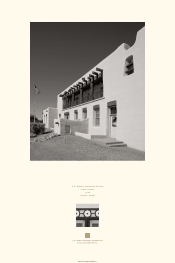
Naco Land Port of Entry in Arizona

The Colonial revival style used for many border stations became associated with American heritage after the 1876 Centennial celebration, which sparked an interest in the nation’s architectural lineage. Its prototypes were popularized and widely understood by architects through numerous publications in the late 19th and early 20th centuries. Following America’s involvement in World War I, architects widely adopted the style for buildings influenced by a blend of European architectural roots, patriotic sentiment, and nostalgic historicism. The style is primarily characterized by strict symmetry and centeredness, evident in the placement of entries, windows, and chimneys. It also often features exposed brickwork and paired, multi-light windows. While it was the default style for border inspection stations in the Northeast, the symmetrical massing was maintained even in regional variants like Spanish Colonial revival and log cabin styles used in other parts of the country.

Facts

  • Architect: Simon, Louis A.; Neal A. Melick; Office of the Supervising Architect of the U.S. Treasury
  • Architectural Styles: Georgian Colonial Revival; Spanish Colonial Revival; Pueblo Revival; Log Cabin
  • Construction Dates: 1931-1943
  • Location: Mexico and Canada land borders
  • Landmark Status: Listed in the National Register of Historic Places
  • Primary Materials: American bond brickwork; Wood clapboard cladding; Stucco
  • Prominent Features: Biaxial symmetry; Affixed garage wings and porte-cocheres; Located at international border highways; Region-specific design themes

Poster download

U.S. Border Inspecton Station


Download the poster [PDF - 226 KB]
Print Page Email Page
Last updated: Apr 16, 2026
Top

Home

  • Resources for …
    • Americans with Disabilities
    • Citizens and Consumers
    • Federal Employees
    • GSA Employees
    • Native American affairs
    • Presidential & Congressional Commissions, Boards or Small Agencies
    • Small Business
  • Governmentwide Initiatives
    • Centers of Excellence
    • Digital experience
    • Emergency response
    • Federal Cybersecurity
    • ID, Credentials, and Access Management
    • Information Quality
    • Open Data
    • Technology Modernization Fund
  • Contact Us
    • Report a website issue
  • Organization
    • Leadership Directory
    • Staff Directory
  • References
    • Annual reports
    • Plain Language
    • Budget and Performance
    • Catalogs
    • Orders & Directives
    • Forms
  • Website Information
    • A-Z Index
    • Sitemap
  • Also of Interest
    • Data.gov
    • Whitehouse.gov
  • Tools
    • eBuy
    • eLibrary
    • Contracting forecast tool
    • GSA Advantage
    • GSA Auctions
GSA logo
  • Facebook
  • X
  • LinkedIn
  • Truth Social
  • YouTube
  • instagram
  • Blog
  • email

JOIN THE CONVERSATION

GSA.gov

An official website of the U.S. General Services Administration
  • Accessibility statement
  • Website Policies
  • Reports
  • Office of the Inspector General
  • No FEAR Act
  • FOIA Requests
  • Board of Contract Appeals
Looking for U.S. government information and services?
Visit USA.gov

PER DIEM LOOK-UP

1 Choose a location

Error, The Per Diem API is not responding. Please try again later.

No results could be found for the location you've entered.

Get my location

OR

OR

Rates for Alaska, Hawaii, and U.S. territories and possessions are set by the Department of Defense.

Rates for foreign countries are set by the Department of State.

2 Choose a date


OR

Rates are available between 10/1/2023 and 09/30/2026.

The End Date of your trip can not occur before the Start Date.


Additional terms and conditions

Traveler reimbursement is based on the location of the work activities and not the accommodations, unless lodging is not available at the work activity, then the agency may authorize the rate where lodging is obtained.

Unless otherwise specified, the per diem locality is defined as "all locations within, or entirely surrounded by, the corporate limits of the key city, including independent entities located within those boundaries."

Per diem localities with county definitions shall include"all locations within, or entirely surrounded by, the corporate limits of the key city as well as the boundaries of the listed counties, including independent entities located within the boundaries of the key city and the listed counties (unless otherwise listed separately)."

When a military installation or Government - related facility(whether or not specifically named) is located partially within more than one city or county boundary, the applicable per diem rate for the entire installation or facility is the higher of the rates which apply to the cities and / or counties, even though part(s) of such activities may be located outside the defined per diem locality.