An official website of the United States government

Here’s how you know

Official websites use .gov
A .gov website belongs to an official government organization in the United States.

Secure .gov websites use HTTPS
A lock ( ) or https:// means you’ve safely connected to the .gov website. Share sensitive information only on official, secure websites.

GSA Logo U.S. General Services Administration
    • Explore buy through us
    • Category management
    • Government property for sale or lease
      Toggle submenu
      • Personal property (tangible goods)
      • Real property (real estate and buildings) for public use
      • Real property sales
      • Vehicle sales
    • Products and services
      Toggle submenu
      • Human capital
      • Industrial products and services
      • Office management
      • Professional services
      • Security and protection
      • Transportation and logistics services
    • Purchasing programs
      Toggle submenu
      • Assisted acquisition
      • Commercial platforms
      • Federal strategic sourcing initiative
      • Fleet management
      • HCaTS and HCaTS SB
      • OASIS and OASIS SB
      • Requisition programs
      • State and local programs
      • Emergency acquisition basic ordering agreements
    • Shared services
      Toggle submenu
      • Payroll services
      • Support services for CABs

    Featured Topics

    • Multiple Award Schedule Governmentwide contracts for products and services at volume discount pricing.
    • Auctions Federal assets available via auction to the general public.
    • Explore sell to government
    • Step 1: Learn about government contracting
      Toggle submenu
      • Ways you can sell to government
      • How to access contract opportunities
      • Conduct market research
    • Step 2: Compete for a contract
      Toggle submenu
      • Register your business
      • Certify as a small business
      • Become a schedule holder
      • Market your business
      • Research active solicitations
      • Respond to a solicitation
      • What to expect during the award process
    • Step 3: Manage your contract
      Toggle submenu
      • Comply with contractual requirements
      • Handle contract modifications
      • Monitor past performance evaluations

    Featured Topics

    • Contract opportunities on SAM.gov Search current federal contract opportunities and procurement notices.
    • Forecast of contracting opportunities Anticipated contracts offered by GSA.
    • Vendor support center Research the federal market, report sales, and upload contract information.
    • Explore real estate
    • Design and construction
      Toggle submenu
      • 3D-4D building information modeling
      • Computer-aided design standards
      • Engineering
      • Project management information system
      • Prospectus thresholds
    • Facilities management
      Toggle submenu
      • Security
      • Tenant services
      • Water quality management
    • Our properties
      Toggle submenu
      • Owned and leased properties
      • Renting property
    • Real estate services
      Toggle submenu
      • Leasing resources
      • Real property disposal
      • Reimbursable services (RWA)
      • For businesses seeking opportunities
      • For workers in federal buildings
      • Voice of the customer
    • Workplace optimization
      Toggle submenu
      • Commercial coworking
      • Space Match
    • Explore historic buildings

    Featured Topics - Real Estate

    • Historic preservation tools and resources Procedures for maintaining and repairing historic buildings.
    • Real property disposal Dispose or acquire excess federal real property including buildings or land.
    • Explore policy and regulations
    • Acquisition policy
    • Aviation management policy
    • Federal Advisory Committee Act management
    • Information technology policy
    • Real property management policy
    • Travel management policy
    • Regulations
      Toggle submenu
      • Federal acquisition regulations
      • Federal management regulations
      • Federal travel regulations

    Featured Topics

    • Forms Search for a government form.
    • Per diem FAQs Frequently asked questions about per diem rates and related topics.
    • Explore small business
    • Small business goals
    • Register your business
      Toggle submenu
      • Explore business models
      • Research the federal market
      • Subcontracting and other partnerships
    • Forecast of contracting opportunities
    • Small business resources
      Toggle submenu
      • Small business contacts
      • Videos

    Featured Topics

    • Forecast tool Information on planned federal contracting opportunities.
    • Socio economic categories Check your eligibility for small-business set-asides.
    • Training resources Suggested training for doing business with us.
    • Explore travel
    • Plan a trip
      Toggle submenu
      • Per diem rates
      • Transportation (airfare rates, POV rates, etc.)
      • Lodging
      • Travel charge card
    • Travel and lodging services
      Toggle submenu
      • E-gov travel service (ETS)
      • Rideshare
      • Travel category schedule
    • Federal travel regulation

    Featured Topics

    • Per diem rates look-up Allowances for lodging, meal and incidental costs while on official government travel.
    • Mileage reimbursement rates Reimbursement rates for the use of your own vehicle while on official government travel.
    • Explore technology
    • Purchasing programs
      Toggle submenu
      • Cloud computing services
      • Cybersecurity products and services
      • Governmentwide acquisition contracts
      • MAS information technology
      • USAccess
    • Government initiatives
      Toggle submenu
      • Artificial Intelligence
      • Cybersecurity
      • Emerging citizen technology
      • FedRAMP
      • Federal identity, credentials, and access management
      • Robotic process automation community
      • Technology modernization fund
    • Training

    Featured Topics

    • Challenge.gov Government sponsored challenges and prize competitions.
    • Data.gov Access U.S. government data.
    • Multiple award schedule IT category Information technology products, services and solutions.
    • Explore about us
    • Background and history
      Toggle submenu
      • Overview
      • Mission and strategic goals
      • Role in presidential transitions
    • Careers
      Toggle submenu
      • Get an internship
      • Launch your career
      • Elevate your professional career
      • Discover special hiring paths
      • Resources and related links
    • Events and training
      Toggle submenu
      • Events, training, and request a speaker
      • Our training programs
    • Newsroom
      Toggle submenu
      • Agency blog
      • Congressional testimony
      • GSA does that podcast
      • News releases
      • Speeches
      • Videos
    • Organization
      Toggle submenu
      • Leadership directory
      • Federal Acquisition Service
      • Public Buildings Service
      • Staff offices
    • Contact us

    Featured Topics

    • Blog Read the latest GSA news, updates and analysis.
    • Careers Learn what we have to offer.
  • Per diem lookup
Buy through us
Explore buy through us
Category management
Government property for sale or lease
Personal property (tangible goods)
Real property (real estate and buildings) for public use
Real property sales
Vehicle sales
Products and services
Human capital
Industrial products and services
Office management
Professional services
Security and protection
Transportation and logistics services
Purchasing programs
Assisted acquisition
Commercial platforms
Federal strategic sourcing initiative
Fleet management
HCaTS and HCaTS SB
OASIS and OASIS SB
Requisition programs
State and local programs
Emergency acquisition basic ordering agreements
Shared services
Payroll services
Support services for CABs
Sell to government
Explore sell to government
Step 1: Learn about government contracting
Ways you can sell to government
How to access contract opportunities
Conduct market research
Step 2: Compete for a contract
Register your business
Certify as a small business
Become a schedule holder
Market your business
Research active solicitations
Respond to a solicitation
What to expect during the award process
Step 3: Manage your contract
Comply with contractual requirements
Handle contract modifications
Monitor past performance evaluations
Real estate
Explore real estate
Design and construction
3D-4D building information modeling
Computer-aided design standards
Engineering
Project management information system
Prospectus thresholds
Facilities management
Security
Tenant services
Water quality management
Our properties
Owned and leased properties
Renting property
Real estate services
Leasing resources
Real property disposal
Reimbursable services (RWA)
For businesses seeking opportunities
For workers in federal buildings
Voice of the customer
Workplace optimization
Commercial coworking
Space Match
Explore historic buildings
Policy and regulations
Explore policy and regulations
Acquisition policy
Aviation management policy
Federal Advisory Committee Act management
Information technology policy
Real property management policy
Travel management policy
Regulations
Federal acquisition regulations
Federal management regulations
Federal travel regulations
Small business
Explore small business
Small business goals
Register your business
Explore business models
Research the federal market
Subcontracting and other partnerships
Forecast of contracting opportunities
Small business resources
Small business contacts
Videos
Travel
Explore travel
Plan a trip
Per diem rates
Transportation (airfare rates, POV rates, etc.)
Lodging
Travel charge card
Travel and lodging services
E-gov travel service (ETS)
Rideshare
Travel category schedule
Federal travel regulation
Technology
Explore technology
Purchasing programs
Cloud computing services
Cybersecurity products and services
Governmentwide acquisition contracts
MAS information technology
USAccess
Government initiatives
Artificial Intelligence
Cybersecurity
Emerging citizen technology
FedRAMP
Federal identity, credentials, and access management
Robotic process automation community
Technology modernization fund
Training
About us
Explore about us
Background and history
Overview
Mission and strategic goals
Role in presidential transitions
Careers
Get an internship
Launch your career
Elevate your professional career
Discover special hiring paths
Resources and related links
Events and training
Events, training, and request a speaker
Our training programs
Newsroom
Agency blog
Congressional testimony
GSA does that podcast
News releases
Speeches
Videos
Organization
Leadership directory
Federal Acquisition Service
Public Buildings Service
Staff offices
Contact us
  1. Home
  2. Real estate
  3. Design and construction
  4. Project management information system
  5. Training: Project management tool
  6. Kahua monthly status report

Kahua monthly status report

About the monthly status report

This Quick Reference Guide (QRG) covers the process for performing Kahua updates for the Monthly Status Report. It walks you through the steps of updating your project in the following apps:

  • Projects
  • Milestones
  • Scheduling
  • Risk Register
  • Project Directory

Funding information loaded by the Office of Budget Team and estimates in the Estimates and Funding app are also visible on the fact sheet.

Projects app updates

After a project has been created, changes can be made to any of the existing data in the Project form.

The following roles have permission to perform this activity: GSA-PM/COR, GSA-Regional Manager, and GSA-Project Creator.

  1. Open the project using Project Finder in the left navigation pane.
  2. Click the “i” icon next to the project name.

  3. Click the Edit button on the top toolbar of the Project Details, which opens the project for editing.
  4. Update all applicable fields.
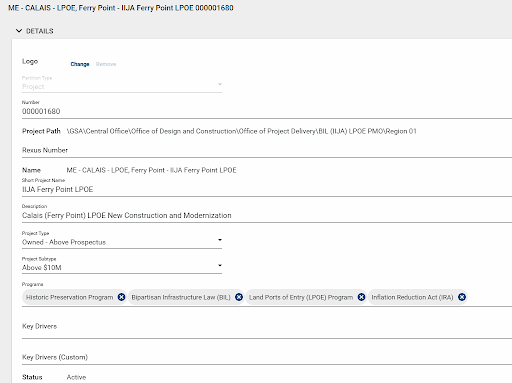
    1. Click the Change link to upload a picture. If you do not upload a photo, the default GSA logo will be shown.

      1. Select a photo from your local computer. The name of the photo is populated in the File name field.
      2. Click the Open button.
      3. Click OK in the Add Files window.
      Screenshot of the Project Details with change highlighted
    2. Update the project’s Description as needed.
    3. Update the Project Type and Project Subtype, as needed.
    4. In the Programs field, select Programs as needed.
    5. Select the appropriate Building Number in the Buildings section.
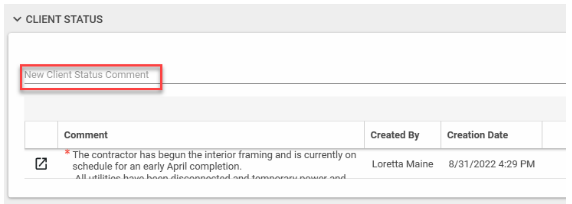
    6. Use the Client Status field to write a short narrative update about the project. Each Client Status entry creates a new row in the section and includes the Comment, Created By, and Creation Date (and time).

      Screenshot of the Client Status page with New client highlighted
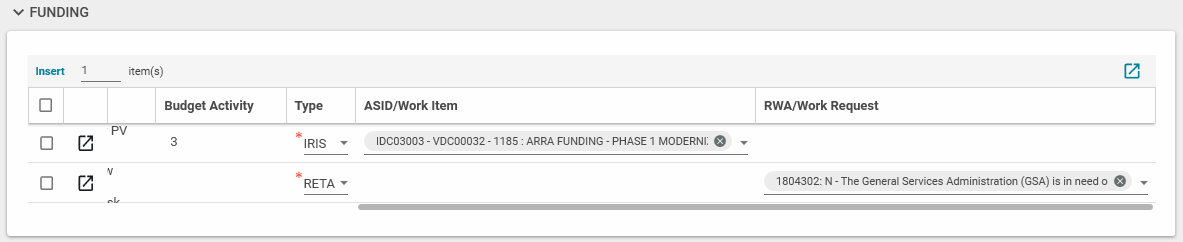
    7. The Funding section is where ASID/Work Items and RWA/Work Requests should be entered. The IRIS Work Items and RETA Work Requests listed in this section are linked to several apps within Kahua. They also determine funding information that is integrated with IRIS or RETA, so it is important this information stays updated.

      1. Click Insert to add a new row, and select IRIS or RETA from the Type drop-down list.
      2. Select the appropriate number from ASID/Work Item drop-down list or the appropriate number from the Work Requests list.
      3. You can also delete or edit items as needed.
    8. Roster

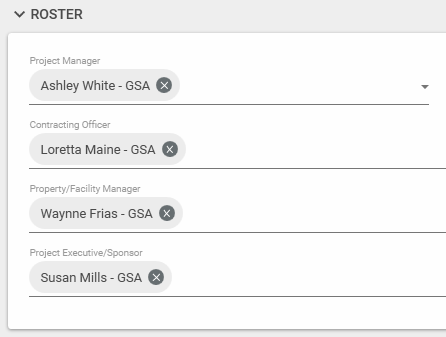
      1. Click the triangle to select a Project Manager. The individual selected here will automatically have PM/COR access to the project. Changing the Project Manager in the Project form gives the new Project Manager GSA-PM/COR permissions and removes the permission from the previously listed Project Manager.
      2. Click the triangle to select a Contracting Officer, Property/Facility Manager and Project Executive/Sponsor.

        Note: Adding a Contracting Officer, Property/Facility Manager, or Project Executive/Sponsor to the Project Roster section does not add the user to the Project Directory. Consult the Project Directory QRG for more information.

      Kahua QRG Monthly Screen 5
    9. Select the project’s Agency Bureau(s) from the drop-down list. This list is populated via integration with RETA.
  5. Click the Save/Close button.
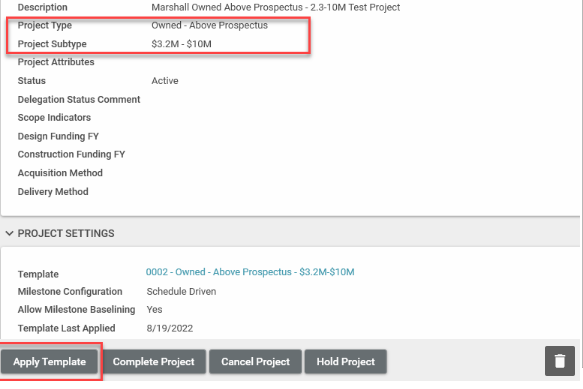
  6. If changes were made to the Project Type and/or the Project Subtype in the Details section, click the Apply Template button at the bottom of the read-only Project form to update the template used for the project. The Template Last Applied is updated with the new date.

    Screenshot of the Project Type page with Apply Template highlighted
  7. To close the form, click the X in the top right corner.

Milestones app updates

(For owned - projects below $50K and owned - projects $50K - $250K)

Milestones are loaded into a project depending on the Project Type and Subtype that were selected in the Projects app when the project was created. The table below shows the Type and Subtype combinations where milestones can be edited directly in the Milestones app.

TypeSubtype
Owned – Below ProspectusBelow $50K
Owned – Below Prospectus$50K - $250K
Lease – Below ProspectusLease Alteration
Lease AcquisitionLease Acquisitions Above Prospectus
Lease AcquisitionLease Acquisitions Below Prospectus
OtherSpecial Programs Division (SPD) Services
OtherNon-Space Projects

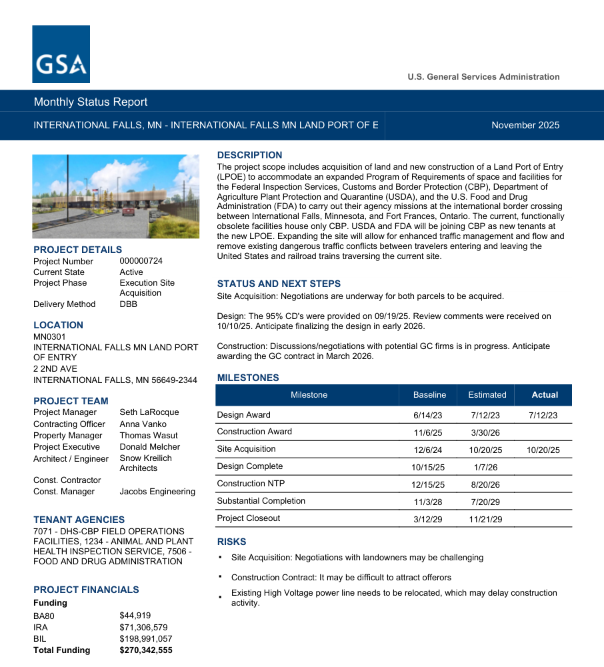
The following milestones are shown on the Monthly Status Report: Design Award, Design/Build Award, Site Acquisition, Design Complete, Construction NTP, Substantial Completion, and Project Closeout. Notice of Intent to Award (NOITA), Preliminary Assessment (PA) End, and Investment Grade Audit (IGA) Complete are shown for ESPC projects.

For each milestone, the baseline, estimated, and actual dates are displayed.

Edit a milestone

The following roles have permission to perform this activity: GSA-PM/COR and GSA-Project Creator.

  1. Navigate to a project using Project Finder in the launch bar.
  2. Open the Milestones app from the apps launcher under the Schedule Management section.
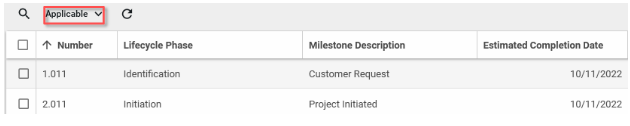
  3. If not displayed already, change the Log View to Applicable by clicking the down arrow in the Log View list.

    Screenshot of the Schedule Management page with Applicable highlighted
  4. Click the appropriate Milestone.
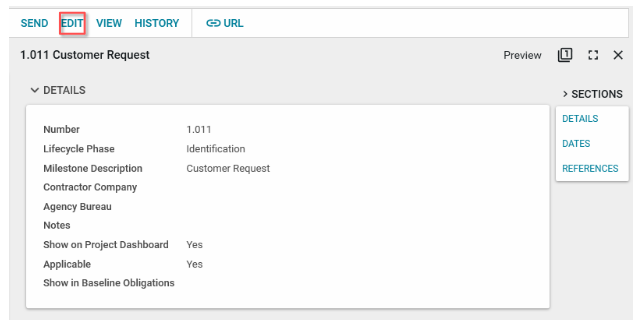
  5. Click the Edit button.

    Screenshot of the Schedule Management page with Edit highlighted
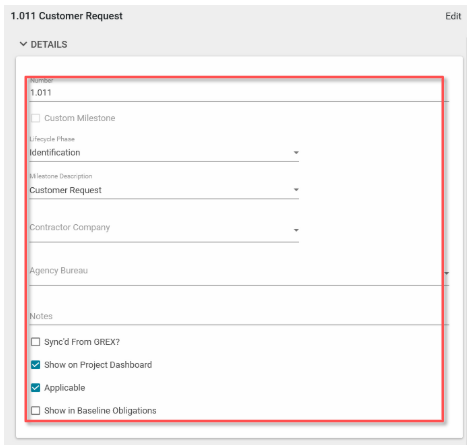
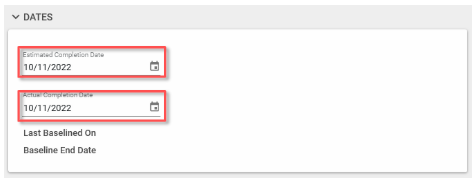
  6. Make any updates within the Milestone document.

    Screenshot of the Customer request page
    Screenshot of the Dates page with date dropdowns highlighted
  7. When edits are complete, click the Save/Close button.

Scheduling app updates

(For above prospectus - owned, leased, owned - projects above $250K and prospectus lease post occupancy projects above $10M)

Milestones are loaded into a project depending on the Project Type and Subtype that were selected in the Projects app when the project was created. The table below shows the Type and Subtype combinations where milestones can be edited directly in the Milestones app.

TypeSubtype
Owned – Above ProspectusAbove $10M
Owned – Above Prospectus$3.2M - $10M
Lease Above ProspectusLease Alteration
Owned – Below ProspectusAbove $250K

The following milestones are shown on the Monthly Status Report: Design Award, Design/Build Award, Site Acquisition, Design Complete, Construction NTP, Substantial Completion, and Project Closeout. Notice of Intent to Award (NOITA), Preliminary Assessment (PA) End, and Investment Grade Audit (IGA) Complete are shown for ESPC projects.

For each milestone, the baseline, estimated, and actual dates are displayed.

Access the MS project schedule templates

  1. Download the applicable template for your project from the MS Project Schedule Templates in Google Drive.
  2. Open the schedule file on your computer and make updates using MS Project and save them locally to your computer, so they can be uploaded to Kahua. See Step 7, below.

Note: Take care if you delete tasks from the template schedule to ensure that doing so will not break any schedule logic for preceding or succeeding tasks. The file includes all the standard schedule tasks and appropriate coding to connect your schedule updates to the Milestones app in Kahua. You can add other tasks for any project specific tasks that you need to track.

Add the PM schedule

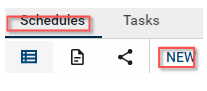
  1. In the Scheduling app, open the Schedules sub-app from the top ribbon and click NEW.

    Screenshot of the Scheduling app with New highlighted
  2. Enter the Name of the schedule.
  3. Click on Select File.
  4. Click on the Filename field in the Upload File window.
  5. Select the schedule you saved in Step 2 above.
  6. Click Upload in the Upload File window.
  7. Click OK on the Add Files window.
  8. Enter a Description of the schedule.
  9. Save/Close to save the file to the record.
  10. Click on Process to pull in Scheduling Tasks and update the Milestones.

Manage tasks items

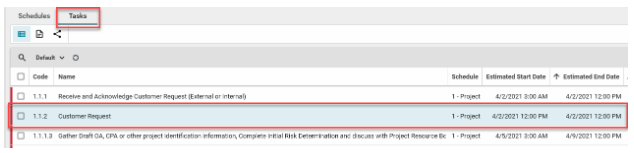
  1. Click on the Tasks sub-app in the top ribbon.
  2. Select the Tasks item to edit.

    Screenshot of the Scheduling app with tasks highlighted
  3. Click Edit from the top of the View pane.
  4. Make changes to any editable field(s). Most fields need to be edited in the scheduling software and then uploaded to Kahua through the revision process.
  5. Click Save/Close at the bottom.

Navigate to the corresponding milestone

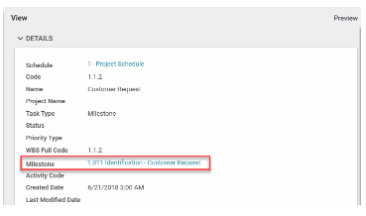
  1. With the Tasks sub-app open, select the Scheduling Task item.
  2. Click on the Milestone name. The text is blue to indicate that it is a link to the Milestone.

    Screenshot of the Scheduling app with milestone highlighted
  3. The Details of the corresponding Milestone are open in the Milestones app.

Revise a schedule

  1. With the Schedules sub-app selected in the top ribbon, click NEW to open a new record.
  2. Enter the Name of the schedule.
  3. Enter the Revision number.
  4. Click on Select File.
  5. Click on the Filename field in the Upload File window.
  6. Select the revised schedule template file.
  7. Click Upload in the Upload File window.
  8. Click OK on the Add Files window.
  9. Enter a Description of the schedule.
  10. Save/Close to save the file to the record.
  11. Click on Process the file to show Scheduling Tasks and Revise the Milestones.

Risk register app updates

The following risk information is shown on the Monthly Status Report: Brief Risk Description for every risk marked as Include on Program Dashboard.

Create a risk item

This action is typically created by the following roles: GSA-Regional Manager, GSA-PM/COR, EXT-PM, EXT-CMa, or EXT-CMa (Limited).

  1. Open the project using Project Finder in the launch bar.
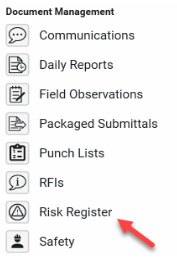
  2. Select Risk Register in the Document Management section of the apps launcher.

    Kahua QRG Monthly Screen 14
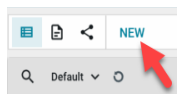
  3. Click NEW to create a new Risk Register.

    Screenshot of the launch bar with New highlighted

Details section

  1. The Number and Date Identified fields auto-populate, but they can be changed if necessary.
  2. Enter a Brief Risk Description.
  3. Enter a Detailed Risk Description.
  4. Select a Responsible Individual from the drop-down list.
  5. Select the Project Phase of Occurrence from the drop-down list.
  6. Place a check in the Include on Program Dashboard box if the Risk Register record should be included on the Program Dashboard (i.e., Dashboard app) or on Kahua fact sheets.

Status section

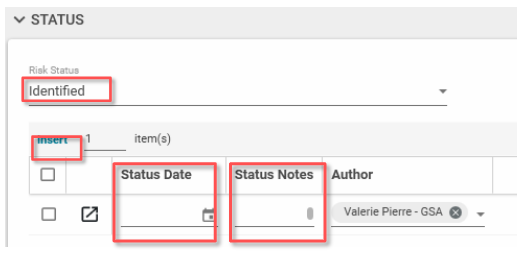
  1. The Risk Status defaults to “Identified.” If needed, you can select another status from the drop-down list.
  2. If applicable, change the number 1 to the number of Risk Status Notes needed, then click Insert.
  3. Update the Status Date field with the appropriate date.
  4. Update the Status Notes field with details related to the status for the date that was selected. If needed, multiple Status Notes can be entered.

    Screenshot of the Status Notes with risk status dates and highlighted

Select the top 3 risks — these may vary on a monthly basis.

Example of a good risk narrative:

“It may be difficult to source IRA Compliant Materials per Low Embodied Carbon (LEC) requirements” or

“To accelerate the schedule, the construction documents may need to be split into multiple bid packages, creating potential for waste and/or inefficient design.”

Assessment section

  1. Select as many Categories Impacted as needed.
  2. Enter details of the impact in the Impact Description field.
  3. Select an Impact Severity value from the drop-down list.
  4. Select an Impact Probability from the drop-down list.
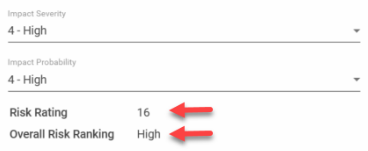
  5. Once the Impact Severity and Impact Probability values have been selected, click Save to calculate the Risk Rating and Overall Risk Ranking.

    Kahua QRG Monthly Screen 17
  6. If any of the Impacted Categories present a risk to the Project Schedule, fill in the Potential Schedule Impact (in days) with a whole or partial number of impact days.
  7. For capital projects, enter the Potential Budget Impact dollar amount.
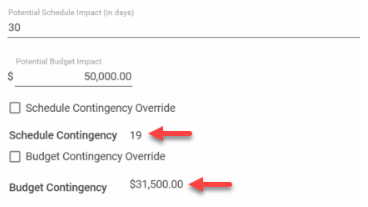
  8. Once a Potential Schedule Impact and/or Potential Budget Impact value is entered, click Save for Kahua to calculate the Schedule Contingency and/or Budget Contingency value.

    Screenshot of the Schedule Contingency and/or Budget Contingency

Note: Any changes made to the Risk Rating value (composed of the Impact Severity and Impact Probability fields), Potential Schedule Impact value, or Potential Budget Impact value will change the Schedule Contingency and/or Budget Contingency values.

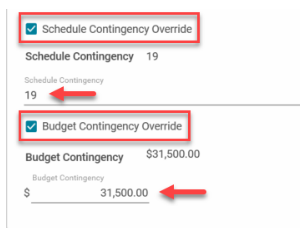
  1. If the Schedule Contingency value needs to change or be overridden, check the Schedule Contingency Override box, and enter in a value for the Schedule Contingency in the space provided.
  2. If the Budget Contingency value needs to change or be overridden, check the Budget Contingency Override box, and enter in a value for the Schedule Contingency in the space provided.

    Screenshot of the Schedule Contingency Override and Budget Contingency Override box
  3. For capital projects, enter the amount of Potential Additional Funds Needed.
  4. For capital projects, put a check mark in the Will this budget impact be supported within the project contingency? box as applicable.
  5. Enter a date in the Projected Date Funds Are Needed field.

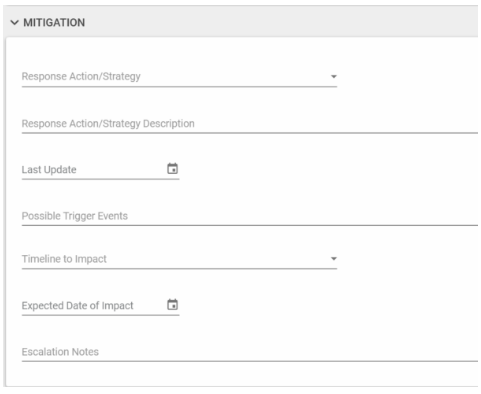
Mitigation section

  1. Select the appropriate Response Action/Strategy from the drop-down list.
  2. Enter a Response Action/Strategy Description.
  3. Enter a date in the Last Update field.
  4. Fill in an appropriate value for Possible Trigger Events.
  5. Establish a range in the Timeline to Impact.
  6. Identify the Expected Date of Impact.
  7. Enter Escalation Notes as needed.

    Screenshot of the Escalation Notes

Reference section

  1. Attach any supporting documentation such as photos or pdf files by clicking UPLOAD or ADD KAHUA DOC, navigating to the appropriate file, clicking Open, adding Comments, and clicking OK.
  2. Click Save/Close to complete the creation of the Risk Register Record.

Project directory

The Monthly Status Report displays the following team members from the Project Directory app: Assistant PM, COR, and Contract Specialist. Additionally, vendor company names are listed for the following roles: Architect / Engineer, Construction Contractor, and Construction Manager.

The Project Manager, Contracting Officer, Property Manager, and Project Executive are entered in the Roster section of the Projects app.

  1. Navigate to a project using Project Finder in the launch bar.
  2. Open the Project Directory app from the apps launcher.
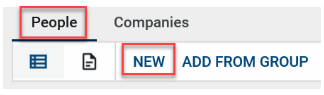
  3. Select the People sub-app.
  4. Click NEW from the People sub-app.

    Screenshot of the Project Directory with People and New highlighted

Details section

  1. Select the contact person in the Name field. If applicable, the Office field will populate.

    Note: The contact must exist in the Kahua Contacts app prior to being added to the Project Directory.

  2. If applicable, fill in the Contact Team Role, Contact Team Function, Status on Project, and any additional Notes.
  3. Once selected, click the Add button.

Financials

The Monthly Status Report displays a total of all BA11, BA12, BA13, BA14, BA21, BA24, BA27, BA51, BA54, BA55, and BA80 funding.

BA11, BA12, BA13, BA14, BA21, BA24, BA27, BA51 and BA55 funding is entered in the Funding Authority app by the Central Office Budget team. No action is required for the Project Manager.

BA54 and BA80 funding is pulled into the Kahua from the source system (IRIS for BA54 and RETA for BA80) in the Estimates and Budgets app when a funding number is entered in the Projects app.

Run the monthly status report

  1. Navigate to a project using Project Finder in the launch bar.
  2. Once in the desired project, click the apps launcher in the launch bar.
  3. Click the Projects app.
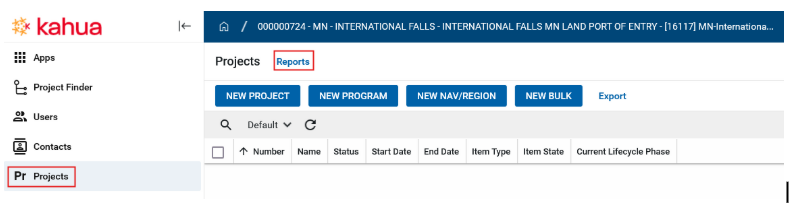
  4. Click the Reports link above the log view to access the reports.

    Screenshot of the Projects app with Reports highlighted
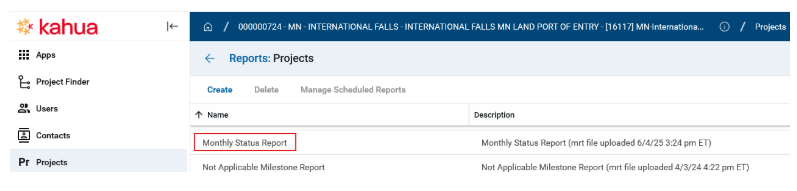
  5. Select the Monthly Status Report in the list, and click the View button at the bottom of the window to launch the report.

    Screenshot of the Projects app with Monthly Status Report highlighted
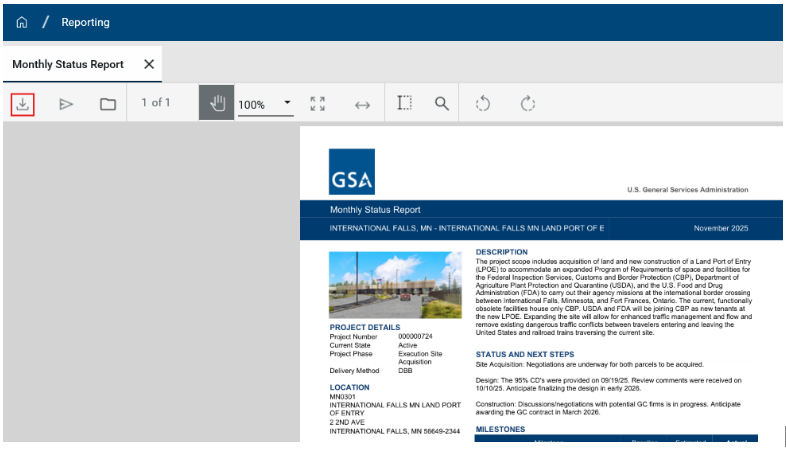
  6. To download the report once it has launched, click the down arrow in the report toolbar.

    Screenshot of the Projects app with download button highlighted

    Clicking the arrow opens the report in a new browser window with options to print the report or download to your local computer.

    Screenshot of the Monthly Status report
  7. Close the View using the X in the report toolbar.
Print Page Email Page
Last updated: Dec 12, 2025
Top
    • Overview
    • 3D-4D building information modeling
    • Annual prospectus thresholds
    • Accessible facility design
    • Art in architecture | fine arts
    • Computer-aided design standards
    • Commissioning
    • Construction Excellence
    • Design and construction delivery process
    • Design Excellence Program
    • Design Library
    • Engineering
    • Facilities Standards for the Public Buildings Service
    • Geographic information systems
    • Landscape architecture
    • Project management information system
      • Access: project management tool
      • Training: Project management tool
        • Edit a project in the projects app
        • Kahua monthly status report
    • Spatial data management
    • Efficiency
    • Good Neighbor Program

Home

  • Resources for …
    • Americans with Disabilities
    • Citizens and Consumers
    • Federal Employees
    • GSA Employees
    • Native American affairs
    • Presidential & Congressional Commissions, Boards or Small Agencies
    • Small Business
  • Governmentwide Initiatives
    • Centers of Excellence
    • Digital experience
    • Emergency response
    • Federal Cybersecurity
    • ID, Credentials, and Access Management
    • Information Quality
    • Open Data
    • Technology Modernization Fund
  • Contact Us
  • Organization
    • Leadership Directory
    • Staff Directory
  • References
    • Annual reports
    • Plain Language
    • Budget and Performance
    • Catalogs
    • Orders & Directives
    • Forms
  • Website Information
    • A-Z Index
    • Report a website issue
    • Sitemap
  • Also of Interest
    • Data.gov
    • Whitehouse.gov
  • Tools
    • eBuy
    • eLibrary
    • Contracting forecast tool
    • GSA Advantage
    • GSA Auctions
GSA logo
  • Facebook
  • X
  • LinkedIn
  • YouTube
  • instagram
  • Blog
  • email

JOIN THE CONVERSATION

GSA.gov

An official website of the U.S. General Services Administration
  • Accessibility statement
  • Website Policies
  • Reports
  • Office of the Inspector General
  • No FEAR Act
  • FOIA Requests
  • Board of Contract Appeals
Looking for U.S. government information and services?
Visit USA.gov

PER DIEM LOOK-UP

1 Choose a location

Error, The Per Diem API is not responding. Please try again later.

No results could be found for the location you've entered.

Get my location

OR

OR

Rates for Alaska, Hawaii, and U.S. territories and possessions are set by the Department of Defense.

Rates for foreign countries are set by the Department of State.

2 Choose a date


OR

Rates are available between 10/1/2023 and 09/30/2026.

The End Date of your trip can not occur before the Start Date.


Additional terms and conditions

Traveler reimbursement is based on the location of the work activities and not the accommodations, unless lodging is not available at the work activity, then the agency may authorize the rate where lodging is obtained.

Unless otherwise specified, the per diem locality is defined as "all locations within, or entirely surrounded by, the corporate limits of the key city, including independent entities located within those boundaries."

Per diem localities with county definitions shall include"all locations within, or entirely surrounded by, the corporate limits of the key city as well as the boundaries of the listed counties, including independent entities located within the boundaries of the key city and the listed counties (unless otherwise listed separately)."

When a military installation or Government - related facility(whether or not specifically named) is located partially within more than one city or county boundary, the applicable per diem rate for the entire installation or facility is the higher of the rates which apply to the cities and / or counties, even though part(s) of such activities may be located outside the defined per diem locality.