An official website of the United States government

Here’s how you know

Official websites use .gov
A .gov website belongs to an official government organization in the United States.

Secure .gov websites use HTTPS
A lock ( ) or https:// means you’ve safely connected to the .gov website. Share sensitive information only on official, secure websites.

GSA Logo U.S. General Services Administration
    • Explore buy through us
    • Category management
    • Government property for sale or lease
      Toggle submenu
      • Personal property (tangible goods)
      • Real property (real estate and buildings) for public use
      • Real property sales
      • Vehicle sales
    • Products and services
      Toggle submenu
      • Human capital
      • Industrial products and services
      • Office management
      • Professional services
      • Security and protection
      • Transportation and logistics services
    • Purchasing programs
      Toggle submenu
      • Assisted acquisition
      • Commercial platforms
      • Federal strategic sourcing initiative
      • Fleet management
      • HCaTS and HCaTS SB
      • OASIS and OASIS SB
      • Requisition programs
      • State and local programs
      • Emergency acquisition basic ordering agreements
    • Shared services
      Toggle submenu
      • Payroll services
      • Support services for CABs

    Featured Topics

    • Multiple Award Schedule Governmentwide contracts for products and services at volume discount pricing.
    • Auctions Federal assets available via auction to the general public.
    • Explore sell to government
    • Step 1: Learn about government contracting
      Toggle submenu
      • Ways you can sell to government
      • How to access contract opportunities
      • Conduct market research
    • Step 2: Compete for a contract
      Toggle submenu
      • Register your business
      • Certify as a small business
      • Become a schedule holder
      • Market your business
      • Research active solicitations
      • Respond to a solicitation
      • What to expect during the award process
    • Step 3: Manage your contract
      Toggle submenu
      • Comply with contractual requirements
      • Handle contract modifications
      • Monitor past performance evaluations

    Featured Topics

    • Contract opportunities on SAM.gov Search current federal contract opportunities and procurement notices.
    • Forecast of contracting opportunities Anticipated contracts offered by GSA.
    • Vendor support center Research the federal market, report sales, and upload contract information.
    • Explore real estate
    • Design and construction
      Toggle submenu
      • 3D-4D building information modeling
      • Computer-aided design standards
      • Engineering
      • Project management information system
      • Prospectus thresholds
    • Facilities management
      Toggle submenu
      • Security
      • Tenant services
      • Water quality management
    • Our properties
      Toggle submenu
      • Owned and leased properties
      • Renting property
    • Real estate services
      Toggle submenu
      • Leasing resources
      • Real property disposal
      • Reimbursable services (RWA)
      • For businesses seeking opportunities
      • For workers in federal buildings
      • Voice of the customer
    • Workplace optimization
      Toggle submenu
      • Commercial coworking
      • Space Match
    • Explore historic buildings

    Featured Topics - Real Estate

    • Historic preservation tools and resources Procedures for maintaining and repairing historic buildings.
    • Real property disposal Dispose or acquire excess federal real property including buildings or land.
    • Explore policy and regulations
    • Acquisition policy
    • Aviation management policy
    • Federal Advisory Committee Act management
    • Information technology policy
    • Real property management policy
    • Travel management policy
    • Regulations
      Toggle submenu
      • Federal acquisition regulations
      • Federal management regulations
      • Federal travel regulations

    Featured Topics

    • Forms Search for a government form.
    • Per diem FAQs Frequently asked questions about per diem rates and related topics.
    • Explore small business
    • Small business goals
    • Register your business
      Toggle submenu
      • Explore business models
      • Research the federal market
      • Subcontracting and other partnerships
    • Forecast of contracting opportunities
    • Small business resources
      Toggle submenu
      • Small business contacts
      • Videos

    Featured Topics

    • Forecast tool Information on planned federal contracting opportunities.
    • Socio economic categories Check your eligibility for small-business set-asides.
    • Training resources Suggested training for doing business with us.
    • Explore travel
    • Plan a trip
      Toggle submenu
      • Per diem rates
      • Transportation (airfare rates, POV rates, etc.)
      • Lodging
      • Travel charge card
    • Travel and lodging services
      Toggle submenu
      • E-gov travel service (ETS)
      • Rideshare
      • Travel category schedule
    • Federal travel regulation

    Featured Topics

    • Per diem rates look-up Allowances for lodging, meal and incidental costs while on official government travel.
    • Mileage reimbursement rates Reimbursement rates for the use of your own vehicle while on official government travel.
    • Explore technology
    • Purchasing programs
      Toggle submenu
      • Cloud computing services
      • Cybersecurity products and services
      • Governmentwide acquisition contracts
      • MAS information technology
      • USAccess
    • Government initiatives
      Toggle submenu
      • Artificial Intelligence
      • Cybersecurity
      • Emerging citizen technology
      • FedRAMP
      • Federal identity, credentials, and access management
      • Robotic process automation community
      • Technology modernization fund
    • Training

    Featured Topics

    • Challenge.gov Government sponsored challenges and prize competitions.
    • Data.gov Access U.S. government data.
    • Multiple award schedule IT category Information technology products, services and solutions.
    • Explore about us
    • Background and history
      Toggle submenu
      • Overview
      • Mission and strategic goals
      • Role in presidential transitions
    • Careers
      Toggle submenu
      • Get an internship
      • Launch your career
      • Elevate your professional career
      • Discover special hiring paths
      • Resources and related links
    • Events and training
      Toggle submenu
      • Events, training, and request a speaker
      • Our training programs
    • Newsroom
      Toggle submenu
      • Agency blog
      • Congressional testimony
      • GSA does that podcast
      • News releases
      • Speeches
      • Videos
    • Organization
      Toggle submenu
      • Leadership directory
      • Federal Acquisition Service
      • Public Buildings Service
      • Staff offices
    • Contact us

    Featured Topics

    • Blog Read the latest GSA news, updates and analysis.
    • Careers Learn what we have to offer.
  • Per diem lookup
Buy through us
Explore buy through us
Category management
Government property for sale or lease
Personal property (tangible goods)
Real property (real estate and buildings) for public use
Real property sales
Vehicle sales
Products and services
Human capital
Industrial products and services
Office management
Professional services
Security and protection
Transportation and logistics services
Purchasing programs
Assisted acquisition
Commercial platforms
Federal strategic sourcing initiative
Fleet management
HCaTS and HCaTS SB
OASIS and OASIS SB
Requisition programs
State and local programs
Emergency acquisition basic ordering agreements
Shared services
Payroll services
Support services for CABs
Sell to government
Explore sell to government
Step 1: Learn about government contracting
Ways you can sell to government
How to access contract opportunities
Conduct market research
Step 2: Compete for a contract
Register your business
Certify as a small business
Become a schedule holder
Market your business
Research active solicitations
Respond to a solicitation
What to expect during the award process
Step 3: Manage your contract
Comply with contractual requirements
Handle contract modifications
Monitor past performance evaluations
Real estate
Explore real estate
Design and construction
3D-4D building information modeling
Computer-aided design standards
Engineering
Project management information system
Prospectus thresholds
Facilities management
Security
Tenant services
Water quality management
Our properties
Owned and leased properties
Renting property
Real estate services
Leasing resources
Real property disposal
Reimbursable services (RWA)
For businesses seeking opportunities
For workers in federal buildings
Voice of the customer
Workplace optimization
Commercial coworking
Space Match
Explore historic buildings
Policy and regulations
Explore policy and regulations
Acquisition policy
Aviation management policy
Federal Advisory Committee Act management
Information technology policy
Real property management policy
Travel management policy
Regulations
Federal acquisition regulations
Federal management regulations
Federal travel regulations
Small business
Explore small business
Small business goals
Register your business
Explore business models
Research the federal market
Subcontracting and other partnerships
Forecast of contracting opportunities
Small business resources
Small business contacts
Videos
Travel
Explore travel
Plan a trip
Per diem rates
Transportation (airfare rates, POV rates, etc.)
Lodging
Travel charge card
Travel and lodging services
E-gov travel service (ETS)
Rideshare
Travel category schedule
Federal travel regulation
Technology
Explore technology
Purchasing programs
Cloud computing services
Cybersecurity products and services
Governmentwide acquisition contracts
MAS information technology
USAccess
Government initiatives
Artificial Intelligence
Cybersecurity
Emerging citizen technology
FedRAMP
Federal identity, credentials, and access management
Robotic process automation community
Technology modernization fund
Training
About us
Explore about us
Background and history
Overview
Mission and strategic goals
Role in presidential transitions
Careers
Get an internship
Launch your career
Elevate your professional career
Discover special hiring paths
Resources and related links
Events and training
Events, training, and request a speaker
Our training programs
Newsroom
Agency blog
Congressional testimony
GSA does that podcast
News releases
Speeches
Videos
Organization
Leadership directory
Federal Acquisition Service
Public Buildings Service
Staff offices
Contact us
  1. Home
  2. Real estate
  3. Design and construction
  4. Project management information system
  5. Training: Project management tool
  6. Baseline obligations

Baseline obligations

About baseline obligations

The baseline obligation application is used to track project baseline obligations (or planned obligations). According to the project delivery alert dated October 31, 2022, baseline obligations are required for:

  • New construction (BA51 funding)
  • Major renovations and alterations (BA55 funding) including special emphasis programs
  • Funding from the Infrastructure Investment and Jobs Act (all BA codes)

All initial awards and exercising of contract options are required to be reported and linked to a milestone in the project schedule. Routine change orders are not required to be reported.

Project managers can also create non-prospectus baseline obligations for BA54 and BA80 funding. For more information, see the create a non-prospectus baseline obligation record section of this QRG.

When to add a baseline obligation

A project manager can create a new baseline obligation in Kahua once they receive an email stating that an appropriation has been approved. The email is triggered by the Office of Budget approving a prospectus or obligational authority.

Example of an email triggered by the Office of Budget for a baseline obligation.

Note: Please only create one planned obligation per award.

Create a baseline obligation record

This action is typically performed by the following roles: GSA-Regional KPM, GSA-Regional Manager, GSA-Measures Manager, GSA-PM/COR, or EXT-PM.

  1. Open the appropriate project using Project Finder in the launch bar. The project name is now shown in the header.
  2. Click on the apps launcher in the launch bar, and select PM Forecast and Baseline Obligations.
  3. To create a new Baseline Obligation record, click NEW BASELINE OBLIGATION in the Log Actions Bar.
Log actions bar with new baseline obligation highlighted

Details section

  1. The Number and Date auto-populates, but it can be changed, if needed.
  2. Enter the Description.

If necessary, enter any Notes.

Dates and workflow section

  1. The Dates and Workflow section will auto-populate as the record is workflowed.

Note: When the record is saved, the workflow status changes to Draft. When the record is sent to be baselined, the workflow status changes to Baseline Requested, and the Date Sent to Baseline field auto-populates. When the record is baselined, the workflow status changes to Baselined, and the Baseline Date field auto-populates. When the record is closed, the workflow status changes to Obligated, and the Date Closed field auto-populates.

Items section

  1. In the Items section, click Insert to add a row.
    1. The Number column auto-populates.
    2. Select the Funding Authority from the drop-down list. This drop-down list references the Funding Authority application within the project.
    3. Select the ASID from the drop-down list. This drop-down list is filtered based on the previously selected Funding Authority. Note: If the ASID is not available in the drop-down list, you will need to add it to the Funding section of the Project Details. Refer to the Editing a Project QRG [PDF - 382 KB] for instructions.
    4. Select the WBS Code from the drop-down list.
    5. The Description auto-fills when the WBS Code is selected, but it can be edited, if necessary.
    6. Select a Milestone from the drop-down list. This drop-down list references the Milestones app within the project. Note: If the applicable Milestone does not appear in the dropdown list, open the Milestone in the Milestones app, and Edit it to check the box beside Show in Baseline Obligation.
    7. The Baselined Date auto-populates if the selected milestone has been baselined and has a Baseline End Date in the Milestones app.
    8. The Projected Date auto-populates if the selected milestone has an Estimated Completion Date in the Milestones app.
    9. The Actual Date auto-populates if the selected milestone has an Actual Completion Date in the Milestones app.
    10. Enter the Projected Baseline amount.
    11. The Original Baseline amount auto-populates when the Item is baselined by the Measures Manager.

Baseline status with funding authority, ASID, WBS, description, milestone, and projected baseline highighlighted

Note: Please reference the Milestones Quick Reference Guide [PDF - 634 KB] for additional information about the Milestones app.

Comments section

  1. Enter clarifying details in the New Comment field.

References section

  1. To add a document that does not exist within the project, click Upload and select the file. Multiple documents may be uploaded at one time.
  2. To add a document that does exist within the project, click Add Kahua Doc and locate the file.
  3. When complete, click the Save/Close button at the bottom of the window.

Action buttons

  1. Click Request Baseline to send a request to the GSA Measures Manager to baseline the record. The workflow status changes to Baseline Requested, and the Date Sent to Baseline field auto-populates.
Action buttons with an arrow pointing to the request baseline button next to the cancel button

Note: If any changes need to be made before the record is baselined, the record can be Recalled.

Create a non-prospectus baseline obligation record

This action is typically performed by the following roles: GSA-Regional KPM, GSA-Regional Manager, GSA-Measures Manager, GSA-PM/COR, or EXT-PM.

Project managers can create non-prospectus baseline obligations for BA54 and BA80 funding, if desired. These obligations are not sent to the Measures Manager.

  1. Open the appropriate project using Project Finder in the launch bar. The project name is now shown in the header.
  2. Click on the apps launcher in the launch bar, and select PM Forecast and Baseline Obligations.
  3. To create a new Baseline Obligation record, click NEW NON-PROSPECTUS BASELINE OBLIGATION in the log toolbar.
Toolbar with new non-prospectus baseline obligation highlighted

Details section

  1. The Number and Date auto-populates, but they can be changed, if needed.
  2. Enter the Description.
  3. If necessary, enter any Notes.

Dates and workflow section

  1. The Dates and Workflow section will auto-populate as the record is workflowed.

Items section

  1. In the Items section, click Insert to add a row.
    1. The Number column auto-populates.
    2. Select the ASID from the drop-down list. This drop-down list is filtered based on the previously selected Funding Authority. Note: If the ASID is not available in the drop-down list, you will need to add it to the Funding section of the Project Details. Refer to the Editing a Project Quick Reference Guide [PDF - 382 KB] for instructions.
    3. Select the WBS Code from the drop-down list.
    4. The Description auto-fills when the WBS Code is selected, but it can be edited, if necessary.
    5. Select a Milestone from the drop-down list. This drop-down list references the Milestones app within the project. Note: If the applicable Milestone does not appear in the drop-down list, open the Milestone in the Milestones app, and Edit it to check the box beside Show in Baseline Obligation.
    6. The Baselined Date auto-populates if the selected milestone has been baselined and has a Baseline End Date in the Milestones app.
    7. The Projected Date auto-populates if the selected milestone has an Estimated Completion Date in the Milestones app.
    8. The Actual Date auto-populates if the selected milestone has an Actual Completion Date in the Milestones app.
    9. Enter the Projected Baseline amount.
Items section screenshot showing all fields and the projected baseline amount.

Note: Please reference the Milestones Quick Reference Guide [PDF - 634 KB] for additional information about the Milestones app.

Comments section

  1. Enter clarifying details in the New Comment field.

References section

  1. To add a document that does not exist within the project, click Upload and select the file. Multiple documents may be uploaded at one time.
  2. To add a document that does exist within the project, click Add Kahua Doc and locate the file.
  3. When complete, click the Save/Close button at the bottom of the window.

Action buttons

Note: If any changes need to be made before the record is baselined, the record can be Recalled.

  1. Click the Save/Close button, which workflows the record to Baselined.
Save and close buttons

Baseline a baseline obligation record

This action can be completed by the GSA Measures Manager.

Note: Users in the GSA Measures Manager permission group receive a task notification and email to baseline the project’s baseline obligation record.

  1. Navigate to the Tasks app in the left navigation pane.
  2. Click on the task for the Baseline Obligation record.
  3. Review the information in the record and enter comments in the Reviewer Comment field.
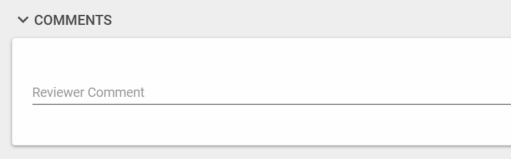
    Reviewer comments box
  4. To save the comment and return later to complete, click Save. The task will remain saved in the Tasks app.
  5. If no further action is needed, click Baseline to baseline the record. The workflow status changes to Baselined and auto-populates with the Baseline Date.
  6. If additional information is needed or changes need to be made to the record, click Return. The Baseline Obligation record returns the workflow status to Draft for edits.
Save, baseline, and return action buttons

Request a re-baseline

Typically completed by the following roles: GSA-Regional KPM, GSA-Regional Manager, GSA-Measures Manager, GSA-PM/COR, or EXT-PM.

Note: If a baseline obligation record has already been baselined, users can request for the record to be re-baselined by the GSA Measures Manager.

  1. Navigate to the appropriate project and open the PM Forecast and Baseline Obligation app from the App Launcher.
  2. Click the Baseline Obligation record from the log.
  3. Click EDIT in the log toolbar.
  4. In the Details section, enter a Justification. If necessary, link an Obligation and enter any Notes.
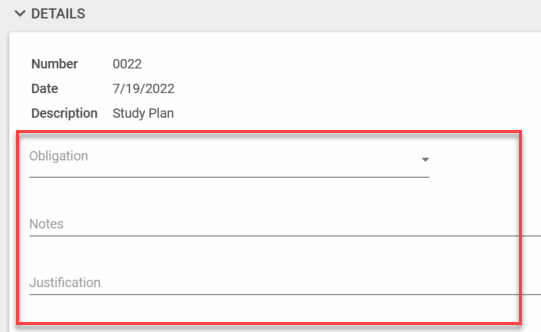
    Details box with obligation, notes, and justification highlighted
  5. When complete, click the Save/Close button at the bottom of the window.
  6. Click Request Re-Baseline to send another task notification and email to the GSA Measures Manager.

Close a baseline obligation record

This action is typically completed by the following roles: GSA-Regional KPM, GSA-Regional Manager, GSA-Measures Manager, GSA-PM/COR, or EXT-PM.

  1. Navigate to the appropriate project and open the PM Forecast and Baseline Obligation app from the app launcher.
  2. Click the Baseline Obligation record from the log.
  3. Click Obligate All Awards at the top of the window. The workflow status changes to Closed, and the Date Closed field auto-populates.
Obligate all awards button highlighted with buttons for edit, request re-baseline, and cancel

If necessary, the record can be Reopened by clicking the Reopen button.

Once the Baseline Obligation is closed, the amount is removed from the Projected Baseline Obligation column of the Work Breakdown and will remain in the Original Baseline Obligation column.

Print Page Email Page
Last updated: Dec 9, 2025
Top

Home

  • Resources for …
    • Americans with Disabilities
    • Citizens and Consumers
    • Federal Employees
    • GSA Employees
    • Native American affairs
    • Presidential & Congressional Commissions, Boards or Small Agencies
    • Small Business
  • Governmentwide Initiatives
    • Centers of Excellence
    • Digital experience
    • Emergency response
    • Federal Cybersecurity
    • ID, Credentials, and Access Management
    • Information Quality
    • Open Data
    • Technology Modernization Fund
  • Contact Us
  • Organization
    • Leadership Directory
    • Staff Directory
  • References
    • Annual reports
    • Plain Language
    • Budget and Performance
    • Catalogs
    • Orders & Directives
    • Forms
  • Website Information
    • A-Z Index
    • Report a website issue
    • Sitemap
  • Also of Interest
    • Data.gov
    • Whitehouse.gov
  • Tools
    • eBuy
    • eLibrary
    • Contracting forecast tool
    • GSA Advantage
    • GSA Auctions
GSA logo
  • Facebook
  • X
  • LinkedIn
  • YouTube
  • instagram
  • Blog
  • email

JOIN THE CONVERSATION

GSA.gov

An official website of the U.S. General Services Administration
  • Accessibility statement
  • Website Policies
  • Reports
  • Office of the Inspector General
  • No FEAR Act
  • FOIA Requests
  • Board of Contract Appeals
Looking for U.S. government information and services?
Visit USA.gov

PER DIEM LOOK-UP

1 Choose a location

Error, The Per Diem API is not responding. Please try again later.

No results could be found for the location you've entered.

Get my location

OR

OR

Rates for Alaska, Hawaii, and U.S. territories and possessions are set by the Department of Defense.

Rates for foreign countries are set by the Department of State.

2 Choose a date


OR

Rates are available between 10/1/2023 and 09/30/2026.

The End Date of your trip can not occur before the Start Date.


Additional terms and conditions

Traveler reimbursement is based on the location of the work activities and not the accommodations, unless lodging is not available at the work activity, then the agency may authorize the rate where lodging is obtained.

Unless otherwise specified, the per diem locality is defined as "all locations within, or entirely surrounded by, the corporate limits of the key city, including independent entities located within those boundaries."

Per diem localities with county definitions shall include"all locations within, or entirely surrounded by, the corporate limits of the key city as well as the boundaries of the listed counties, including independent entities located within the boundaries of the key city and the listed counties (unless otherwise listed separately)."

When a military installation or Government - related facility(whether or not specifically named) is located partially within more than one city or county boundary, the applicable per diem rate for the entire installation or facility is the higher of the rates which apply to the cities and / or counties, even though part(s) of such activities may be located outside the defined per diem locality.